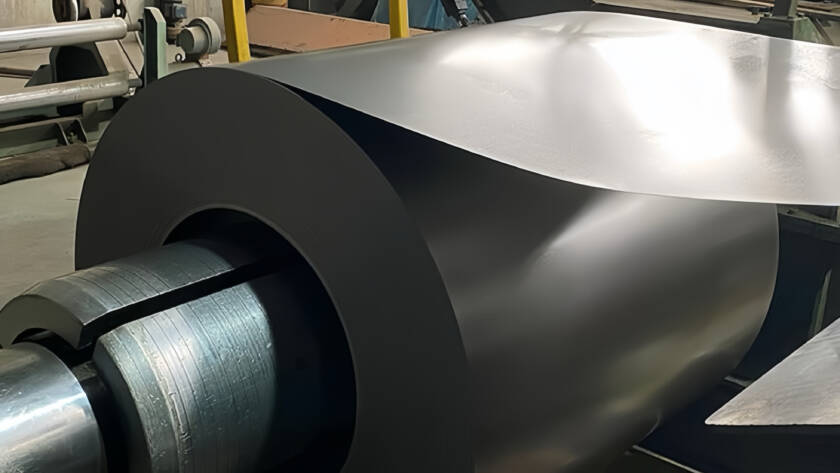
Enamel steel guide covering EN 10209 grades, properties, enameling process, and applications in appliances, construction, and industry.
A technical guide to Hastelloy alloys focusing on corrosion resistance, key grades and engineering selection criteria for demanding industrial environments.
Comprehensive guide to Monel alloys including Monel 400, K500 and R405. Compare chemical composition, mechanical properties and applications for marine and corrosion resistant environments.
Compare Inconel 718, 600, 601, 625, X-750 and 690 in terms of chemical composition, mechanical properties and applications. A practical selection guide for high temperature and corrosion resistant alloys.
AISI 301 stainless steel is a high strength austenitic grade widely used in precision strip, spring components and stamping applications. This guide explains its mechanical properties, temper conditions, differences from 304 stainless steel and key procurement considerations.
304DDQ stainless steel is a deep drawing grade material with high ductility and stable surface quality. It is widely used for kitchen sinks, cookware, appliance parts, and industrial deep drawn components requiring complex forming performance.
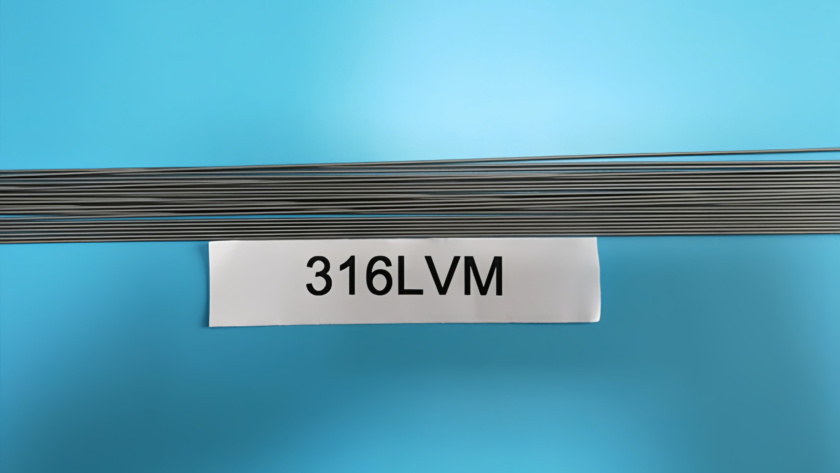
316LVM stainless steel is a high-purity austenitic stainless steel produced through vacuum melting processes. Compared with conventional 316L stainless steel, it offers lower inclusion levels, superior cleanliness, and excellent biocompatibility. These characteristics make 316LVM a preferred material for medical implants, surgical instruments, and precision engineering applications.
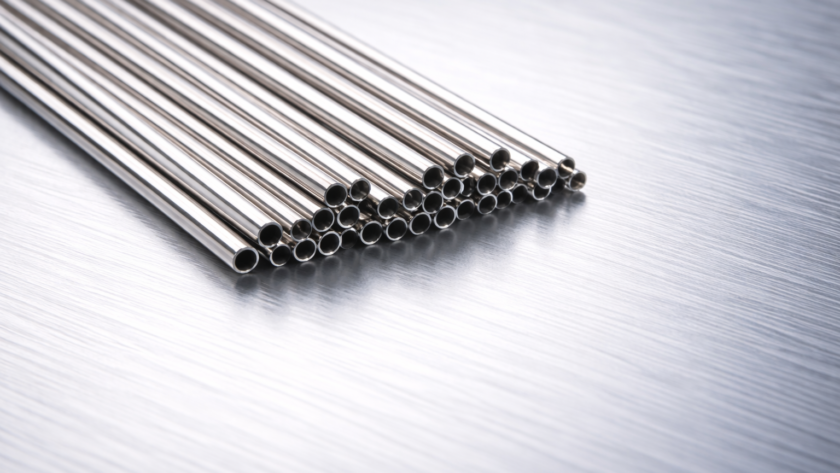
Stainless steel capillary tubes are high-precision small-diameter tubes designed for demanding applications such as medical devices, instrumentation, chemical processing, and aerospace systems. This guide explains material grades, manufacturing processes, technical parameters, industry standards, and key sourcing considerations to help industrial buyers select the right capillary tubing solution.
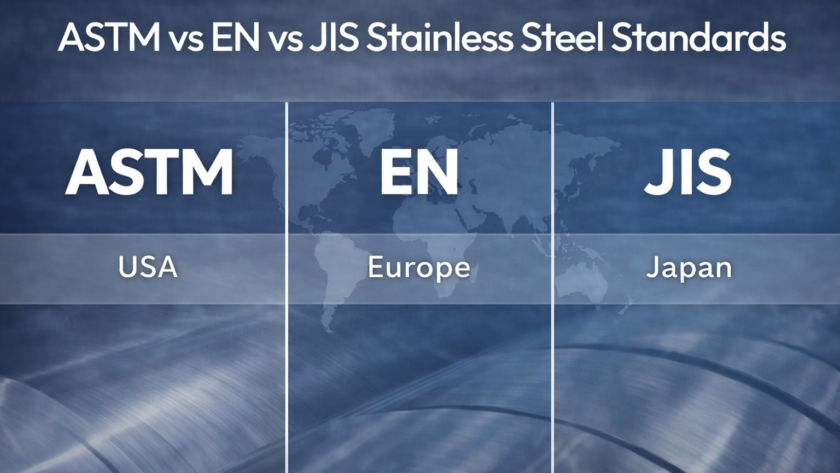
Learn the key differences between ASTM, EN, and JIS stainless steel standards, including grade equivalents, certification requirements, and how to choose the right specification for global sourcing.
Duplex stainless steel is a family of stainless steels with a balanced ferritic–austenitic microstructure, offering high strength, excellent corrosion resistance, and improved cost stability. This article explains what duplex stainless steel is, its advantages, types, applications, and why its global demand continues to grow.
High strength steel (HSS) is a category of advanced structural steels designed to deliver high strength-to-weight ratios, excellent toughness, and reliable weldability. This article explains the types, production processes, key properties, common grades, and typical applications of high strength steel across construction, machinery, and transportation industries.
Wear-resistant steel is widely used in heavy-duty applications where abrasion and impact resistance are critical. This article provides an overview of wear-resistant steel manufacturing processes, international grades, mechanical properties, and selection guidelines for different working conditions.