1. What is Enamel Steel?
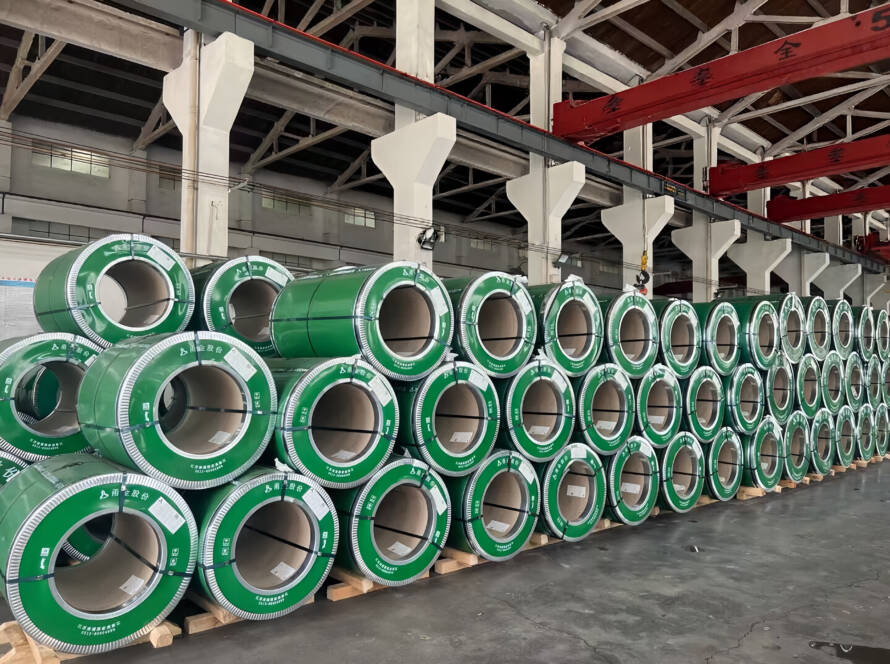
Enamel steel, also known as enamelling steel, is a type of low-carbon or ultra-low-carbon steel specifically designed for surface coating with enamel (glass lining).
After coating and firing at high temperatures (typically 800–850°C), a dense glass-like layer is formed on the steel surface, combining the strength of steel with the corrosion resistance of glass.
2. Key Properties of Enamel Steel
1)Excellent Corrosion Resistance
The enamel layer acts as a barrier against moisture, chemicals, and environmental exposure.
2)High Temperature Resistance
Suitable for high-temperature applications without oxidation or discoloration.
3)Smooth & Hygienic Surface
- Non-porous
- Easy to clean
- Suitable for food-related applications
4)Strong Decorative Performance
Available in various colors and finishes (glossy or matte).
5)Environmentally Friendly
Enamel is an inorganic coating that does not release harmful substances.
3. Common Enamel Steel Grades
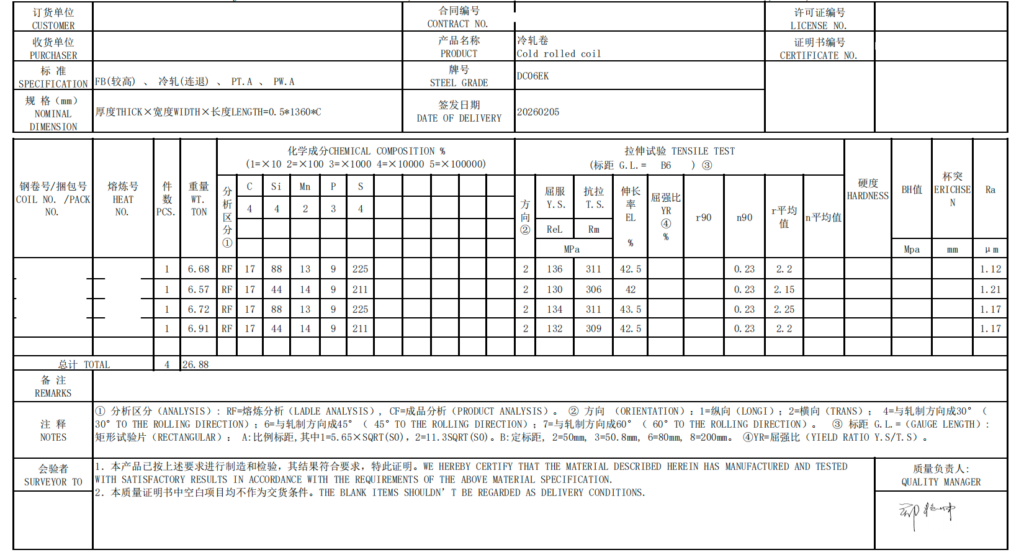
Enamel steels are typically produced according to EN 10209.
| Grade | Type | Features | Application |
|---|---|---|---|
| DC01EK | Basic enameling steel | Standard performance | Single coat |
| DC04EK | Deep drawing | Good formability | Complex shapes |
| DC05ED | Advanced enameling | Suitable for 2-coat enameling | Appliances |
| DC06ED | Extra deep drawing | Excellent ductility | Complex forming |
Notes:
- EK = Standard enameling
- ED = High-quality / two-coat enameling
4. Enameling Process
Typical process includes:
- Surface cleaning & pickling
- Ground coat application
- Firing at high temperature
- Cover coat application
- Second firing
- Cooling & inspection
Two-coat enameling significantly improves adhesion and corrosion resistance.
5. Applications of Enamel Steel
| Sector | Typical Products | Key Benefits |
|---|---|---|
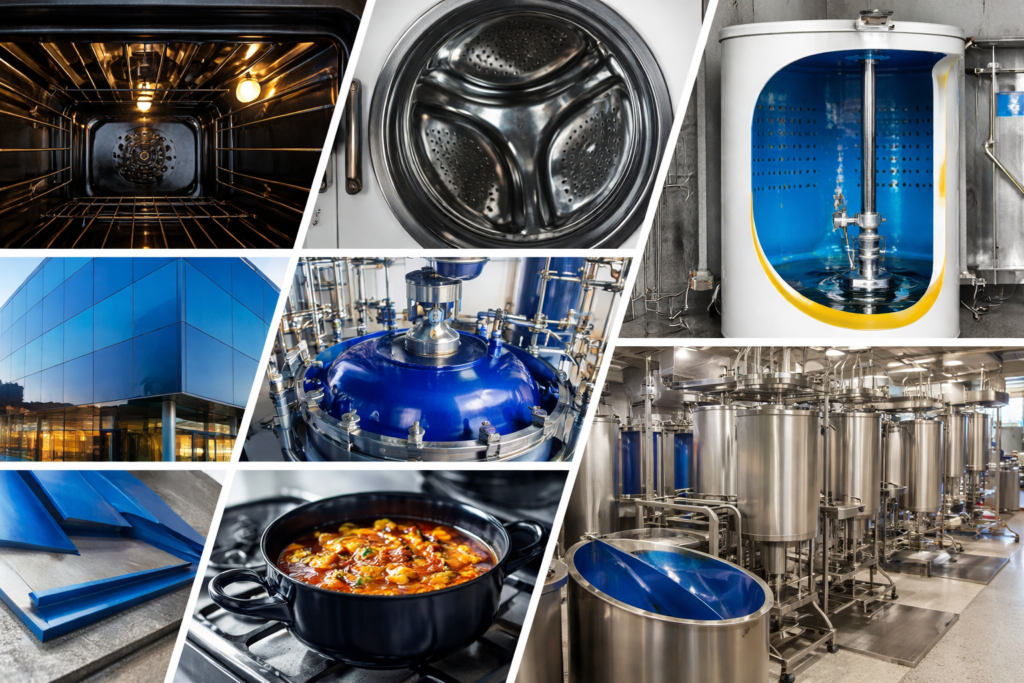
| Home Appliances | Ovens, washing machines, water heaters | Heat resistance, hygiene, durability |
| Architecture | Cladding panels, tunnels, signage | Weather resistance, aesthetics, long service life |
| Industrial | Tanks, vessels, reactors | Chemical resistance, anti-corrosion |
| Cookware & Food | Pots, processing equipment | Food safety, easy cleaning |
6. Conclusion
Enamel steel combines the mechanical strength of steel with the corrosion resistance of glass coating. It is widely used in appliances, construction, and industrial equipment.
With increasing demand for durability and aesthetics, enamel steel continues to be a reliable and cost-effective material choice.