1. What Is 316LVM Stainless Steel
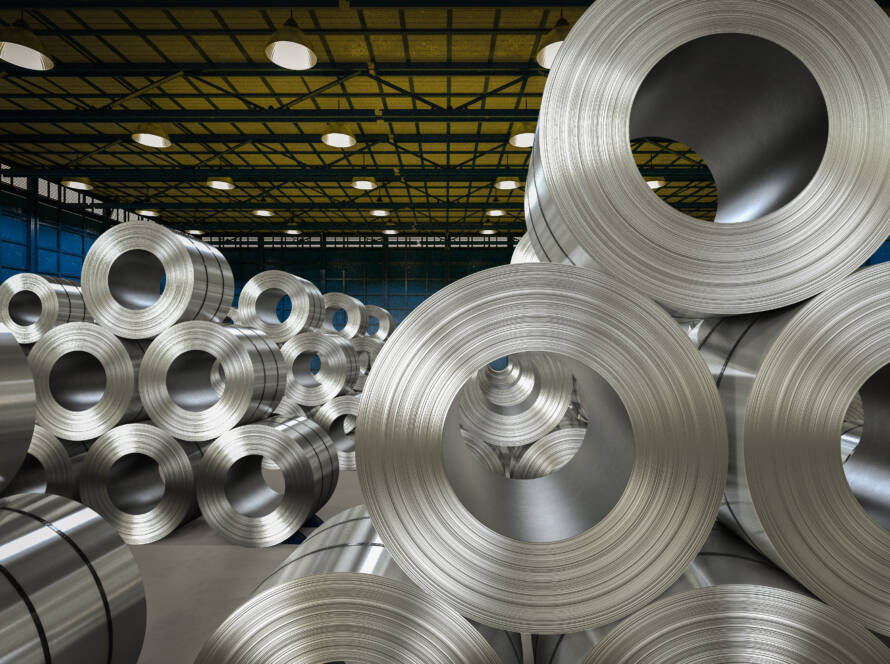
316LVM stainless steel is a high-purity austenitic stainless steel produced through vacuum melting processes such as:
- VIM (Vacuum Induction Melting)
- VAR (Vacuum Arc Remelting)
The designation LVM stands for Low Carbon Vacuum Melted. Compared with standard 316L stainless steel, 316LVM has significantly lower inclusion levels and higher material cleanliness, making it suitable for demanding medical and precision applications.
Due to its excellent corrosion resistance, mechanical reliability, and biocompatibility, 316LVM is widely used in implantable medical devices and surgical instruments.
2. Chemical Composition of 316LVM
The chemical composition of 316LVM is similar to standard 316L stainless steel but with stricter impurity control.
| Element | Content (%) |
|---|---|
| Carbon (C) | ≤ 0.03 |
| Chromium (Cr) | 17.0 – 19.0 |
| Nickel (Ni) | 13.0 – 15.0 |
| Molybdenum (Mo) | 2.25 – 3.0 |
| Manganese (Mn) | ≤ 2.0 |
| Silicon (Si) | ≤ 1.0 |
| Phosphorus (P) | ≤ 0.025 |
| Sulfur (S) | ≤ 0.010 |
Key elements provide the following benefits:
- Chromium (Cr) – corrosion resistance
- Nickel (Ni) – improved toughness and structural stability
- Molybdenum (Mo) – enhanced resistance to pitting corrosion
3. Key Properties of 316LVM Stainless Steel
1)High Material Purity
Vacuum melting significantly reduces oxygen, sulfur, and non-metallic inclusions, resulting in a cleaner and more uniform microstructure.
2)Excellent Corrosion Resistance
The high chromium and molybdenum content gives 316LVM strong resistance to:
- chloride environments
- physiological fluids
- many chemical environments
3)Outstanding Biocompatibility
316LVM is widely used for implantable devices and complies with medical material standards such as:
- ASTM F138
- ISO 5832-1
4)Balanced Mechanical Properties
The material provides a good balance of:
- strength
- toughness
- fatigue resistance
These characteristics are essential for long-term implant performance.
4. Typical Applications
1)Medical Industry
316LVM is one of the most commonly used materials in medical devices.
Typical applications include:
- orthopedic implants
- bone screws and plates
- surgical instruments
- medical guide wires
2)Precision Engineering
Because of its high cleanliness and reliability, the material is also used in:
- precision mechanical components
- high-reliability industrial parts
- specialized instrumentation
5. Available Product Forms
316LVM stainless steel is commonly supplied in the following forms:
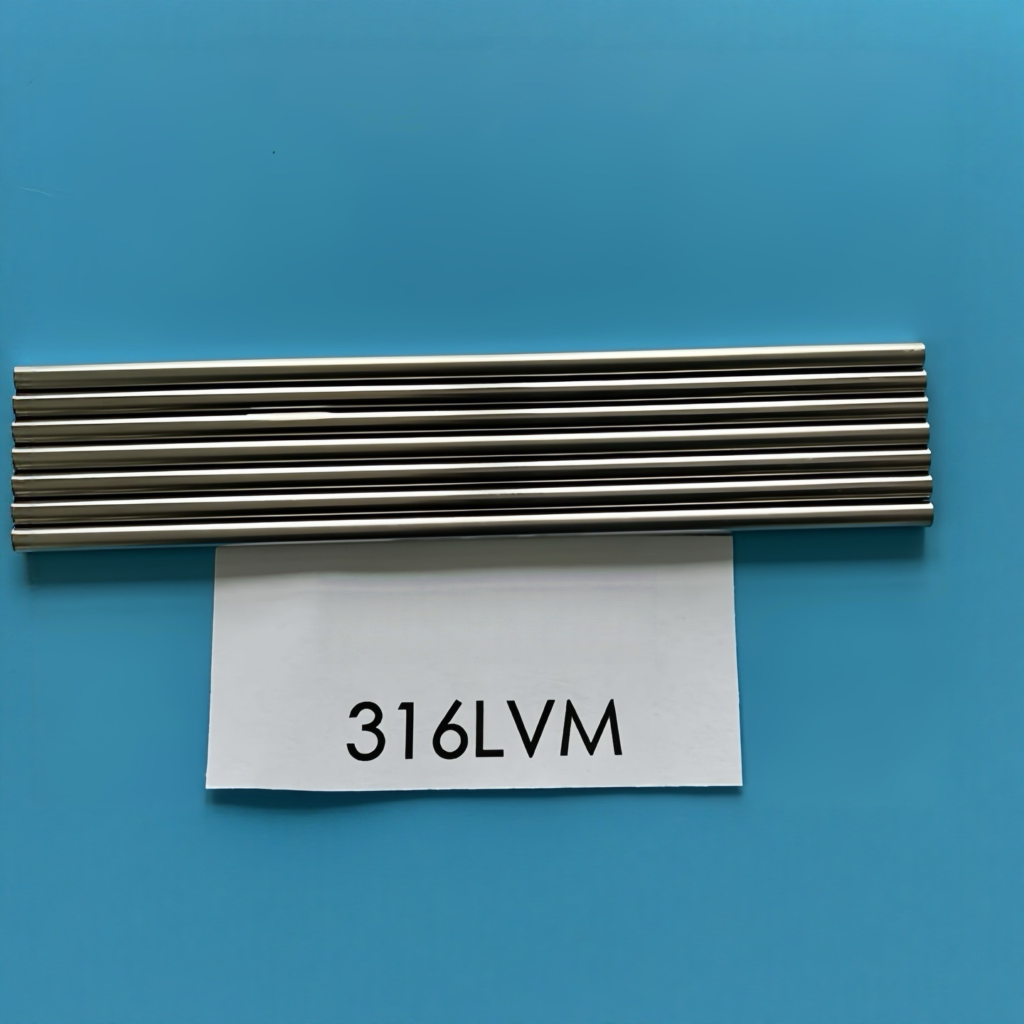
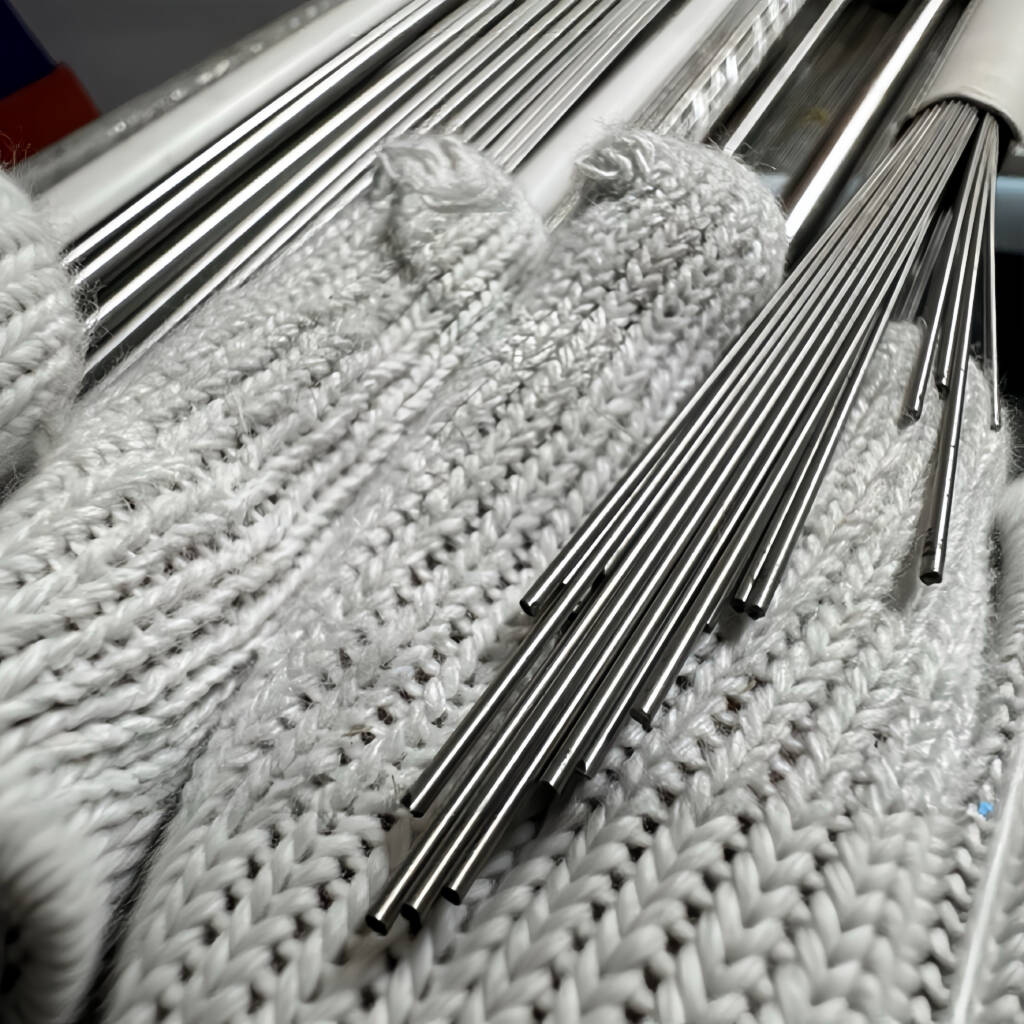
- Round bars
- Medical wire
- Forgings
- Precision ground bars
These products are typically delivered after solution annealing and strict quality inspection to meet medical or high-end industrial standards.
6. 316LVM vs 316L vs 304 vs 317L
| Grade | Key Feature | Typical Use |
|---|---|---|
| 304 | General purpose stainless steel | Food equipment, structures |
| 316L | Mo-alloyed corrosion resistant steel | Chemical, marine equipment |
| 317L | Higher Mo content for better pitting resistance | Chemical processing |
| 316LVM | Vacuum melted, ultra-clean steel | Medical implants, surgical devices |
Key difference: 316LVM focuses on material purity and biocompatibility, while other grades mainly focus on corrosion resistance for industrial environments.
7. Frequently Asked Questions (FAQ)
1)Is 316LVM stainless steel medical grade?
Yes. 316LVM is widely recognized as a medical-grade stainless steel and typically complies with standards such as ASTM F138 and ISO 5832-1 for surgical implants.
2)What does LVM mean in stainless steel?
LVM stands for Low Carbon Vacuum Melted, referring to a vacuum melting process used to produce high-purity steel with minimal inclusions.
3)What is the difference between 316L and 316LVM?
The main difference is manufacturing process and purity.
- 316L – conventional melting process
- 316LVM – vacuum melted for ultra-clean microstructure
This makes 316LVM more suitable for medical implants and high-precision applications.
8. Supply Specifications
- Cold Drawn Bars
Diameter: 0.6 – 25 mm
Dimensional tolerance: ±0.01 – ±0.1 mm
- High Precision Bright Bars
Diameter: 0.6 – 20 mm
Dimensional tolerance: H7 – H9
- Hot Rolled Bars
Diameter: 14 – 75 mm
Dimensional tolerance: ±0.15 – +0.30 mm
- Cold Rolled Plates
Thickness: 1.0 – 6.5 mm
Dimensional tolerance: -0.15 mm / +0.10 – +0.25 mm
- Wire
Diameter: 0.4 – 1.2 mm
Dimensional tolerance: +0.01 – +0.02 mm
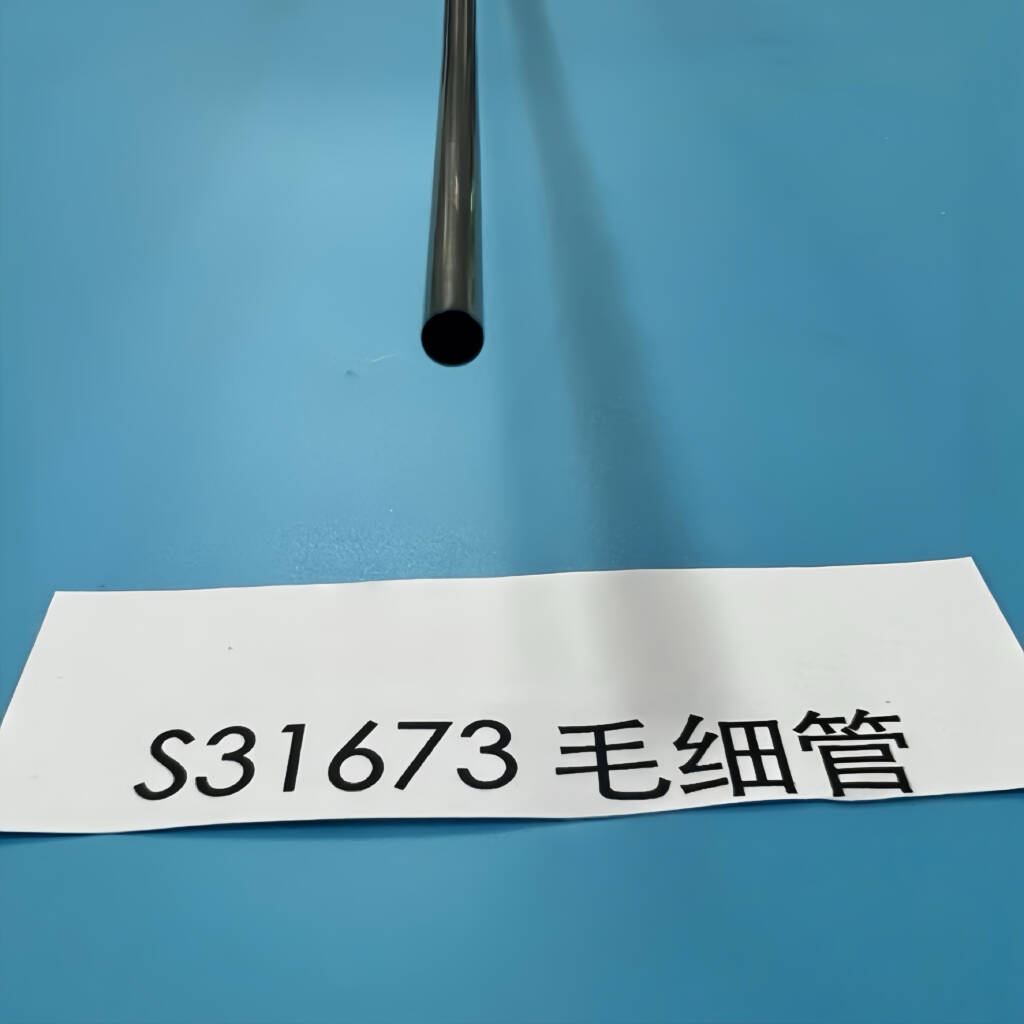
- Capillary Tubes
Specifications: Available upon request / to be determined by agreement
Contact Us
If you are looking for 316LVM stainless steel bars or medical-grade materials, our team can provide:
- stable mill supply
- strict quality control
- international export experience
Contact us today to get the latest specifications and quotation.