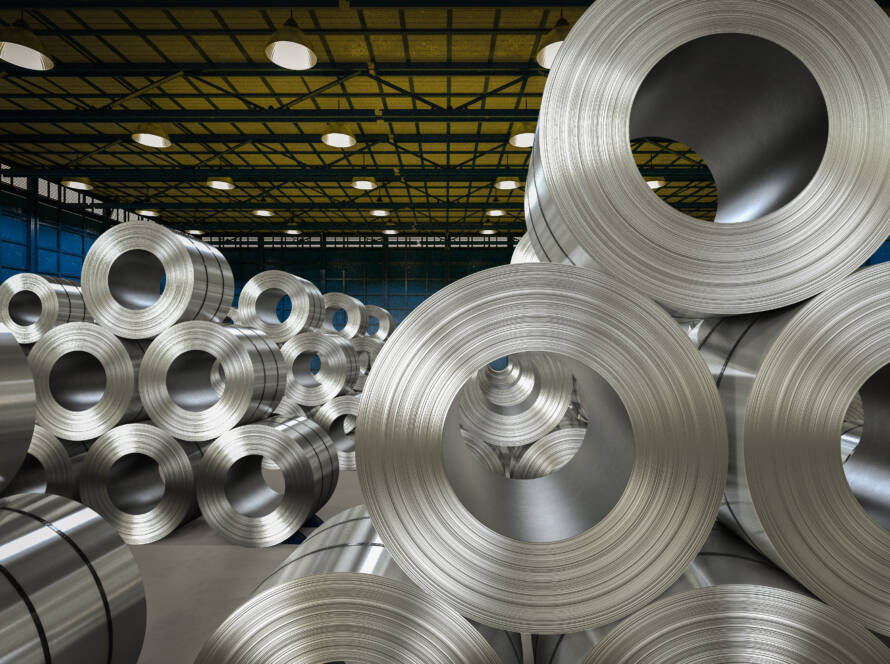
1. What Is a Stainless Steel Capillary Tube?
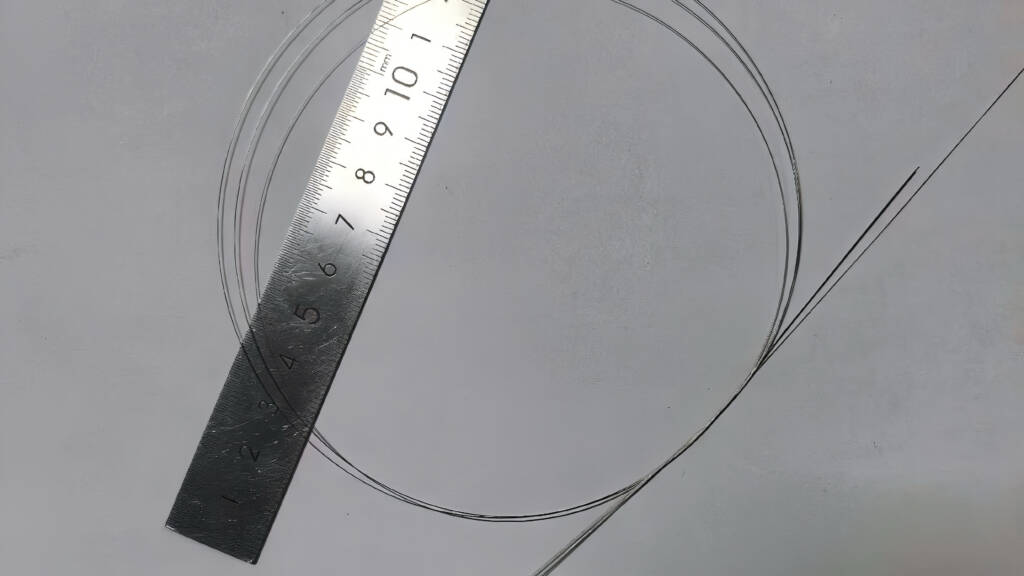
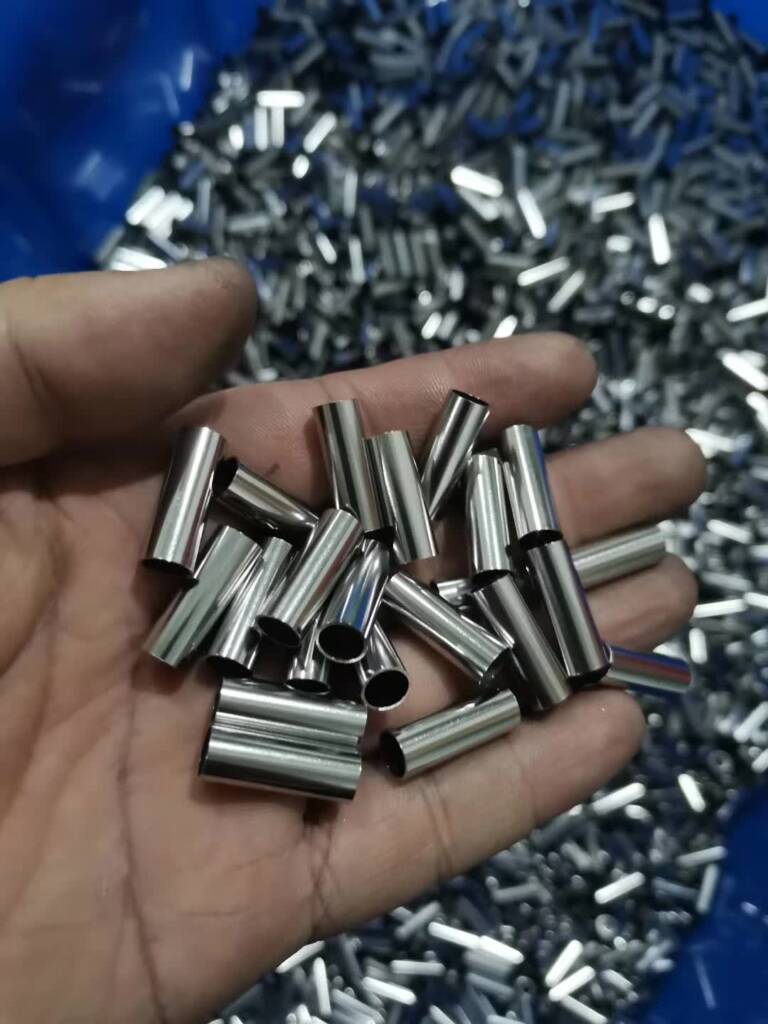
A stainless steel capillary tube is a precision tube characterized by a very small outer diameter and tight dimensional tolerances. Typical outer diameters range from 0.3 mm to 8 mm, with wall thickness often between 0.05 mm and 1.0 mm, depending on application.
Compared with conventional stainless steel tubing, capillary tubes are defined by:
- High dimensional accuracy
- Smooth internal surface
- Excellent concentricity
- Superior corrosion resistance
- Stable mechanical properties
They are widely used in medical devices, instrumentation, sensors, chemical processing, aerospace systems, and precision fluid control applications.
2. Common Stainless Steel Grades for Capillary Tubes
Selection of material grade depends on corrosion environment, mechanical requirements, and industry standards.
Austenitic Stainless Steels:
| Grade | Key Characteristics | Typical Applications |
| 304 / 304L | General corrosion resistance, good formability | Instrumentation, decorative parts |
| 316 / 316L | Enhanced corrosion resistance (Mo added) | Marine, chemical, medical |
| 321 | Stabilized against intergranular corrosion | High-temperature environments |
Duplex Stainless Steel:
| Grade | Advantage | Application |
| 2205 | High strength + strong chloride resistance | Offshore, chemical systems |
3. Manufacturing Process
Capillary tubes are typically produced through the following process:
A. Cold Drawing
Multiple drawing passes ensure tight OD/ID tolerance and improved surface finish.
B. Intermediate Annealing
Restores ductility and refines grain structure.
C. Precision Sizing & Straightening
Ensures dimensional consistency and concentricity.
D. Surface Finishing
- Bright annealed (BA)
- Pickled
- Polished (inside/outside)
E. Inspection & Testing
- Eddy current testing
- Hydrostatic testing
- Dimensional inspection
Precision control is critical, especially for medical and instrumentation-grade tubing.
4. Key Technical Parameters
When sourcing stainless steel capillary tubes, buyers should focus on:
1) Dimensional Tolerance
- OD tolerance: typically ±0.01 mm to ±0.05 mm
- Wall thickness tolerance: ±5–10%
- Straightness and concentricity control
2) Surface Finish
- Internal roughness (Ra) can be < 0.4 μm for high-purity applications
- Bright and defect-free surface
3) Mechanical Properties
- Tensile strength
- Yield strength
- Elongation
- Hardness (if required)
4) Standards
Common applicable standards include:
- ASTM International – ASTM A269 / A213
- American Society of Mechanical Engineers – ASME SA series
- European Committee for Standardization – EN 10216-5
Compliance depends on the target market and application field.
5. Main Application Areas
1) Medical Industry
- Catheters
- Needle tubing
- Minimally invasive instruments
High cleanliness and strict tolerance are mandatory.
2) Instrumentation & Control
- Pressure gauges
- Thermocouple protection tubes
- Analytical equipment
Requires precise internal diameter control.
3) Chemical & Petrochemical
- Fluid sampling lines
- Corrosive media transfer
316L is commonly selected.
4) Aerospace & High-Precision Systems
- Hydraulic lines
- Sensor protection sleeves
Lightweight and high strength are critical factors.
6. Packaging and Supply Options
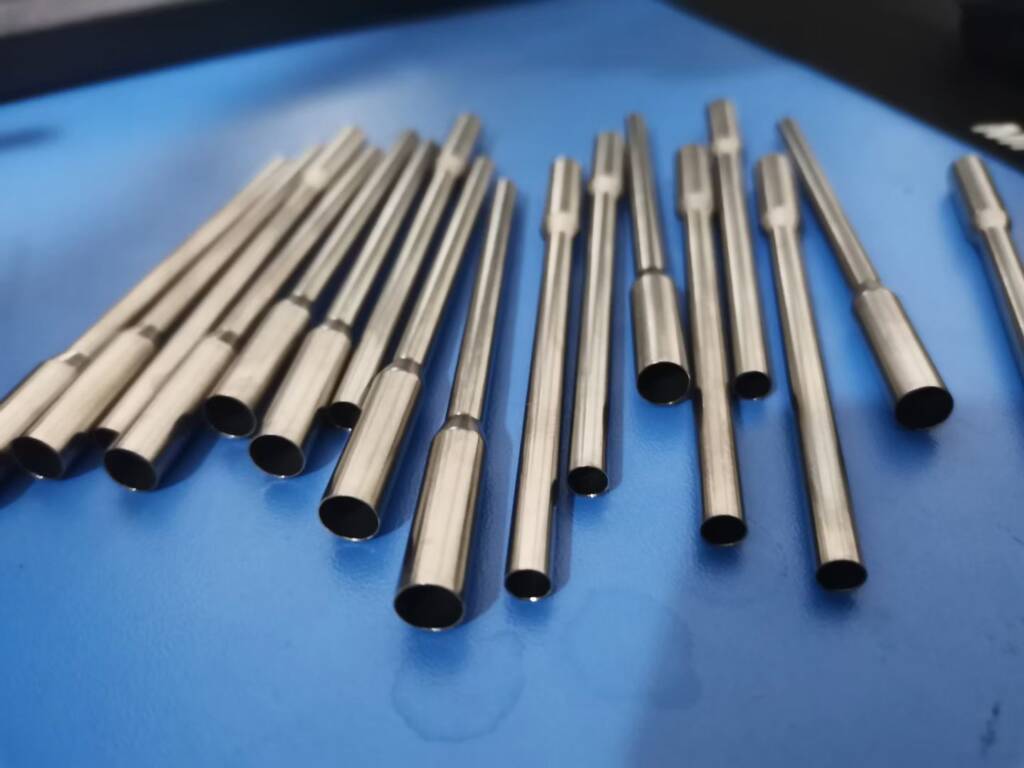
Capillary tubes are typically supplied as:
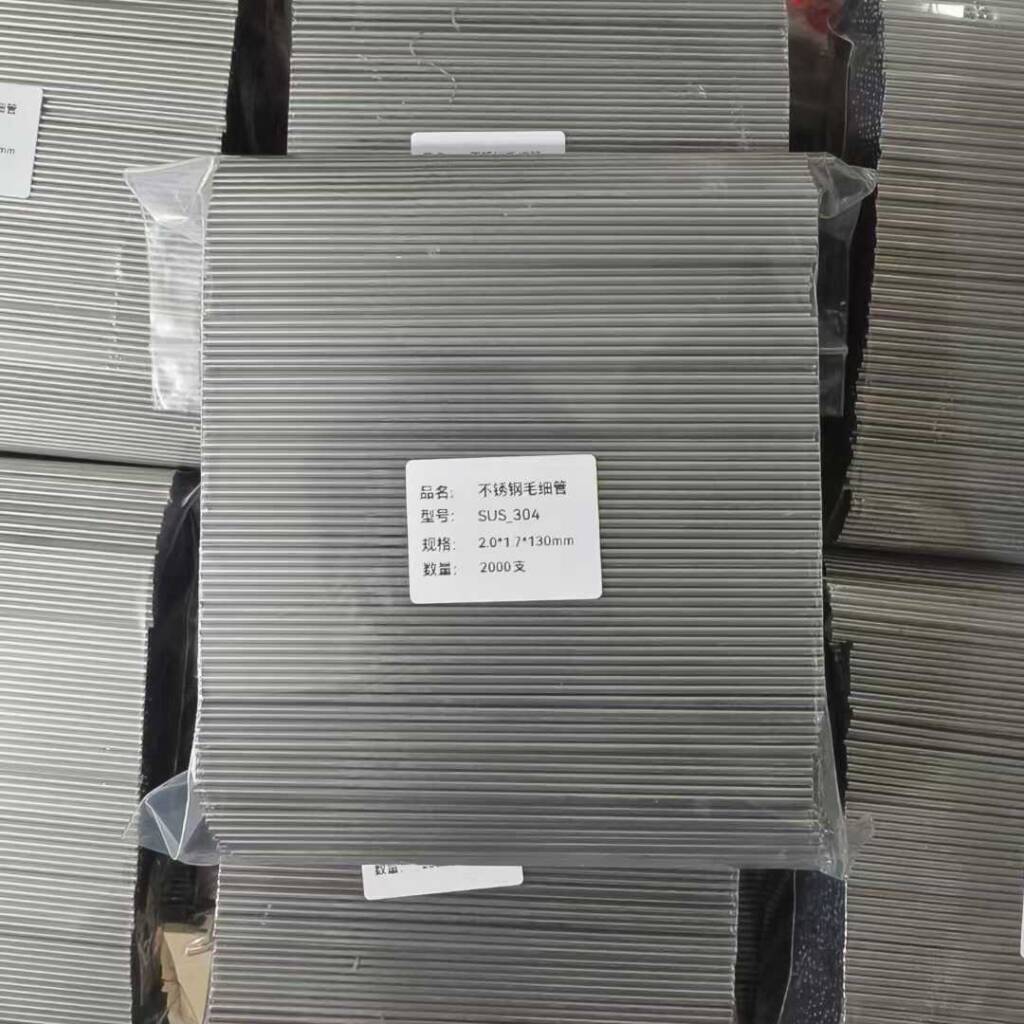
- Straight lengths (e.g., 3m / 6m)
- Coil form
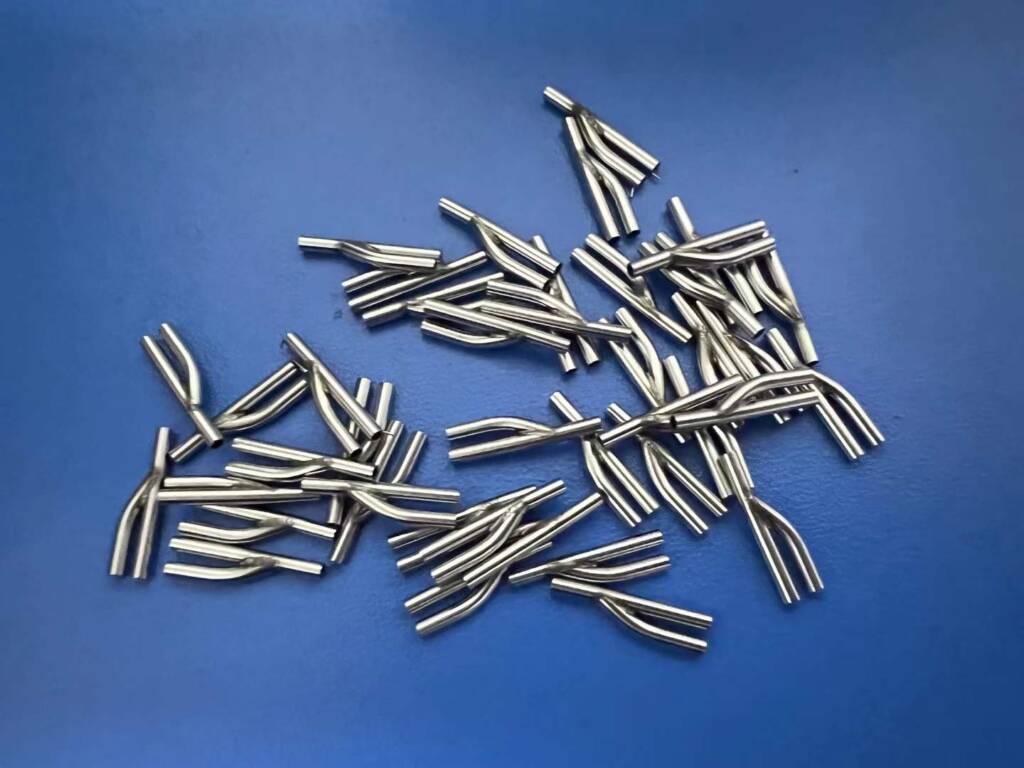
- Cut-to-length pieces
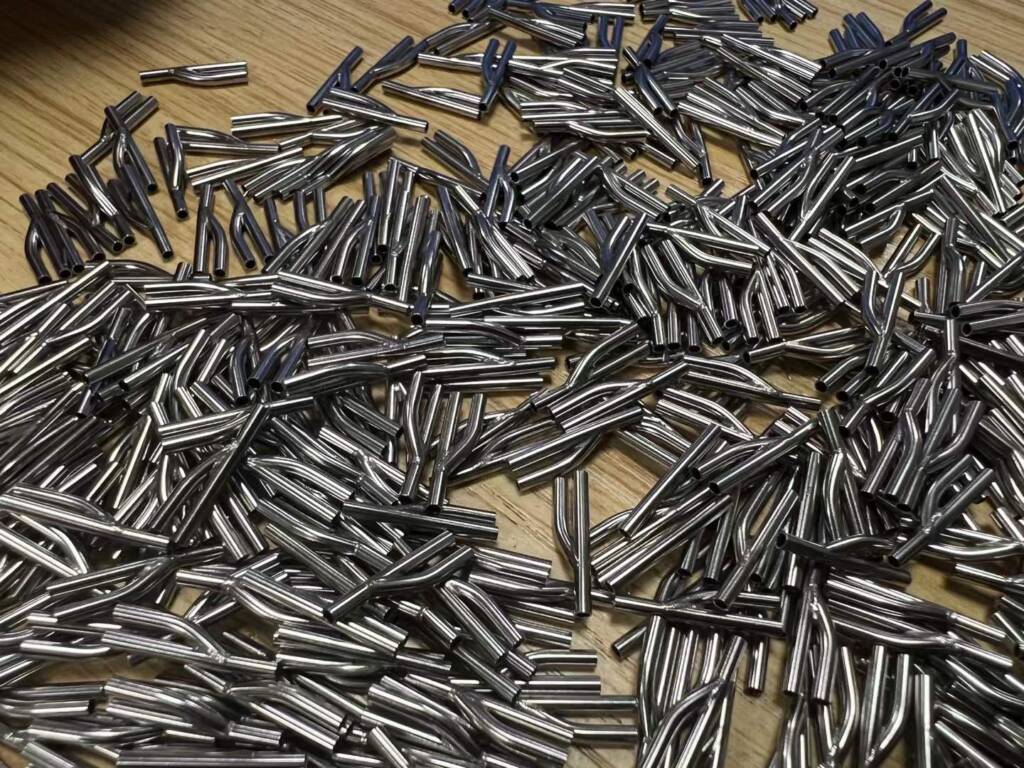
- Customized micro-precision processing
Protective packaging is important to prevent deformation during transportation, especially for ultra-thin wall tubes.
7. Key Considerations When Choosing a Supplier
When evaluating suppliers, consider:
- Dimensional stability consistency
- Quality control system (ISO certification)
- Surface finishing capability
- Custom drawing support
- Experience in target industry (medical / instrumentation / aerospace)
A reliable supplier should provide Mill Test Certificates (MTC) and full traceability documentation.
If you have any projects about stainless steel capillary tubes, please feel free to contact us.

Stainless Steel Capillary Tube
Stainless steel capillary tubes are produced by cold drawing or cold rolling of seamless or welded mother tubes, followed by bright annealing and precision straightening.
This process ensures extremely tight dimensional tolerances and mirror-like inner surfaces.
They offer high precision, superior corrosion resistance, and smooth flow characteristics, making them ideal for instrumentation, medical devices, sensors, and microfluidic systems where reliability and cleanliness are essential.