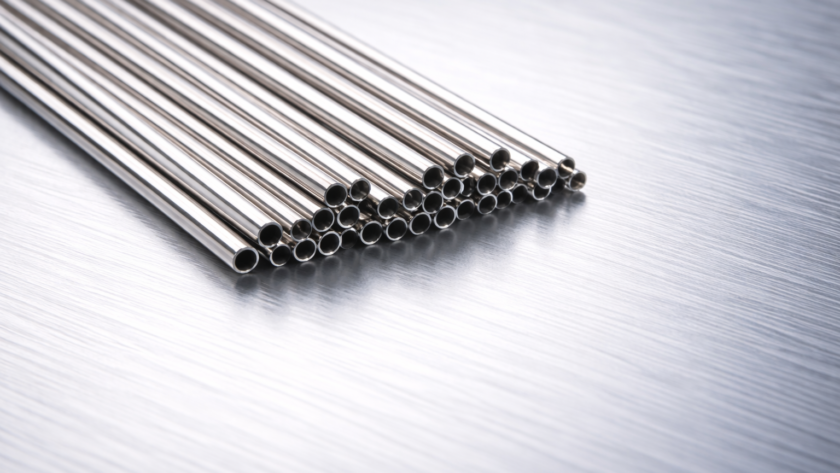
Stainless steel capillary tubes are high-precision small-diameter tubes designed for demanding applications such as medical devices, instrumentation, chemical processing, and aerospace systems. This guide explains material grades, manufacturing processes, technical parameters, industry standards, and key sourcing considerations to help industrial buyers select the right capillary tubing solution.
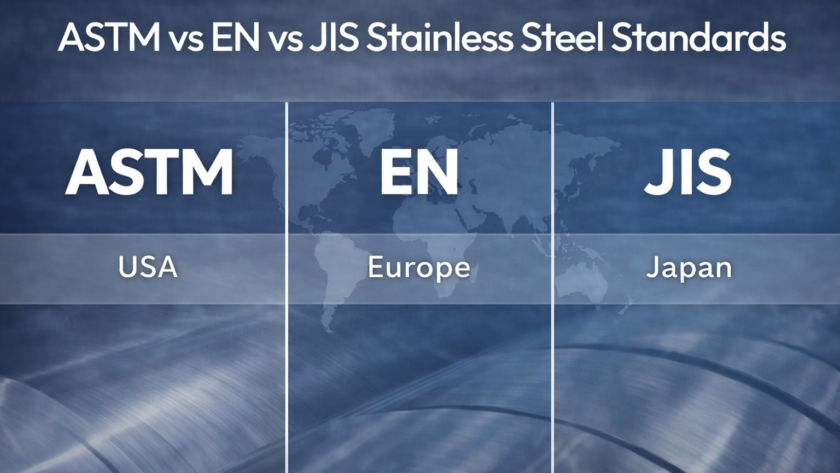
Learn the key differences between ASTM, EN, and JIS stainless steel standards, including grade equivalents, certification requirements, and how to choose the right specification for global sourcing.
Duplex stainless steel is a family of stainless steels with a balanced ferritic–austenitic microstructure, offering high strength, excellent corrosion resistance, and improved cost stability. This article explains what duplex stainless steel is, its advantages, types, applications, and why its global demand continues to grow.
High strength steel (HSS) is a category of advanced structural steels designed to deliver high strength-to-weight ratios, excellent toughness, and reliable weldability. This article explains the types, production processes, key properties, common grades, and typical applications of high strength steel across construction, machinery, and transportation industries.
Wear-resistant steel is widely used in heavy-duty applications where abrasion and impact resistance are critical. This article provides an overview of wear-resistant steel manufacturing processes, international grades, mechanical properties, and selection guidelines for different working conditions.
Mirror 8K stainless steel is an ultra-highly polished stainless steel finish with a smooth, mirror-like surface and premium visual appearance. This article explains what 8K mirror stainless steel is, how it is produced, its key benefits, common grades, and typical applications in architecture, interior decoration, elevators, and high-end products.
PVD (Physical Vapor Deposition) coating is an advanced surface treatment for stainless steel that enhances appearance, durability, and corrosion resistance. This article explains how PVD coating works, its key advantages, available colors, and common applications in architectural, commercial, and consumer industries.
304 and 316L are two widely used austenitic stainless steels with similar appearance but different corrosion resistance and application suitability. This article compares their chemical composition, mechanical properties, corrosion performance, price differences, and typical applications to help engineers and buyers select the right grade.
Hot rolled and cold rolled stainless steel differ significantly in manufacturing process, surface quality, dimensional accuracy, cost, and applications. This article compares hot rolled and cold rolled stainless steel, explaining their key characteristics, advantages, typical uses, and how to choose the right material for different requirements.
Exporting metal products requires a complete set of commercial, quality, shipping, and regulatory documents to ensure smooth customs clearance and delivery. This guide outlines the essential export documents for steel and metal products, helping exporters avoid delays, extra costs, and customs issues.